
The New Neutral: Why the Most Sophisticated Homes Are Moving Away from Gray
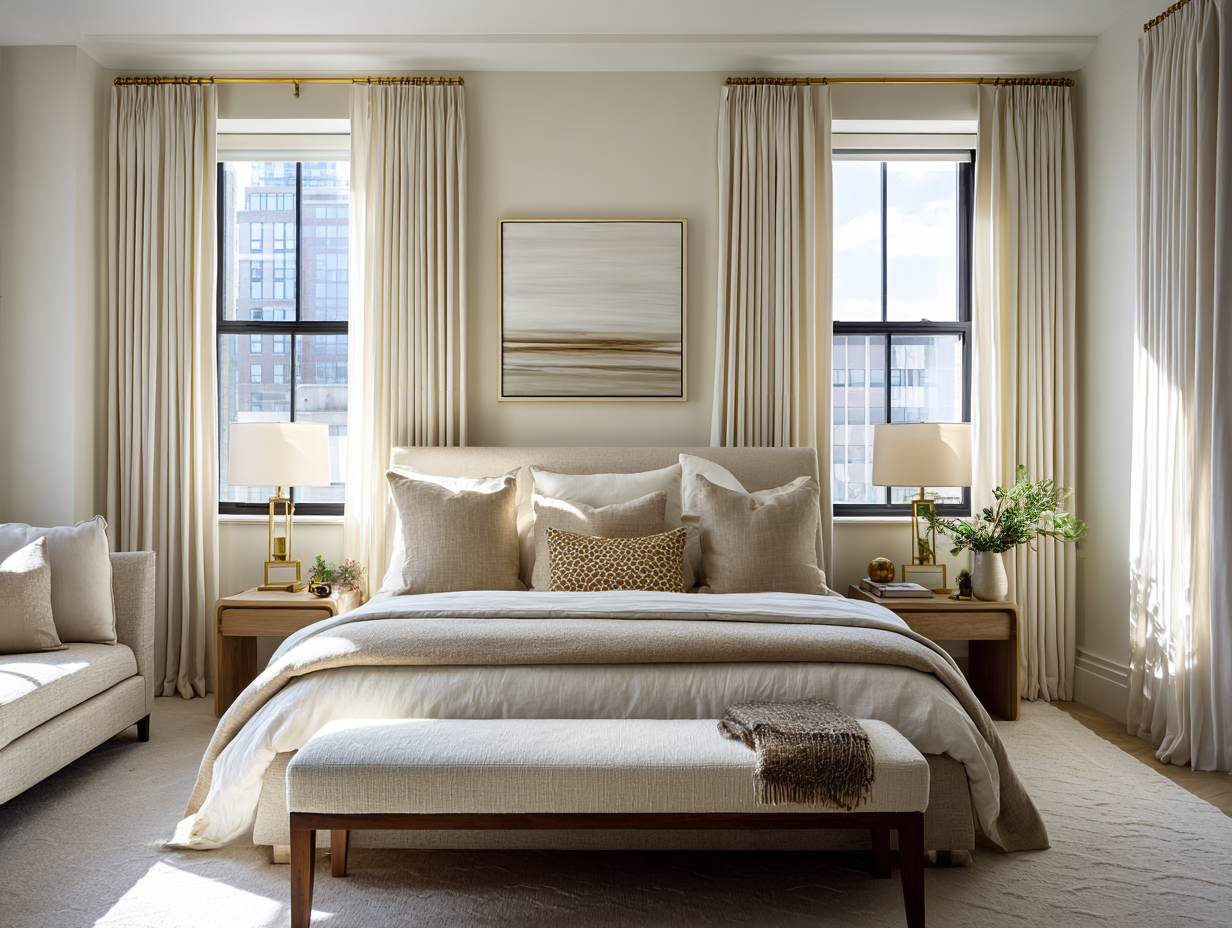
Gray dominated interior design for a decade. Warm gray, cool gray, greige — the palette shifted but never strayed. It was safe, it was sellable, and now it is over. What is replacing it is not a color. It is a quality: warmth, depth, the sense that a room was made for living in.
The New Palette
The rooms attracting real admiration right now are built from an older vocabulary. Tadelakt plaster in warm sand and pale clay. Aged linen and oat-toned bouclé. Unlacquered brass and blackened bronze — not polished, but allowed to settle. Caramel-stained ceruse oak that absorbs light rather than reflecting it.
These are not new colors. They are the colors of natural materials in their most honest state. Dusty travertine, raw terracotta, burnished leather. The palette reads layered, specific, irreplaceable — everything gray was not.
Why Now?
Gray thrived in an era of open-plan living and hot resale markets, where broad appeal was the point. It looked good in photographs. It asked nothing of the room — or the person in it. When homes became the center of daily life rather than a backdrop for occasional entertaining, that sterile neutrality stopped working. Rooms needed to feel good, not just photograph well.
The clients we work with are also at a point where they can simply choose better. They want materials that age with character, rooms that feel personal. Warmth is not a trend. It is a correction.
Gray asked nothing of you. The new palette asks you to commit — to warmth, to texture, to the idea that a room should feel like something.
LNI Studios
Three Ways to Make the Shift
Gray is a more accommodating base than most people realize. The transition is less about removal and more about layering in the right sequence.
Lead with textiles. Replace cool-toned upholstery and drapery with warm natural fibers — camel, oat, aged linen. A single reupholstered sofa will shift a room's atmosphere faster than a fresh coat of paint.
Swap the metal finishes. Chrome and cool brushed nickel read clinical against warm earthy tones. Move to unlacquered brass, aged bronze, or warm matte black in hardware and lighting fixtures — high impact, minimal disruption.
Introduce one textured, organic element per room. A hand-thrown ceramic lamp base, a rough-hewn travertine tray, a wool rug with visible pile. The eye needs something imperfect to rest on. One piece like this recalibrates the entire register of a room.
The rooms we linger in are never the most finished. They are the most inhabited.
LNI Studios
What We Are Specifying Now
01 Tadelakt Plaster
Traditional Moroccan lime plaster in warm sand or pale clay tones — a depth no paint achieves, and it only improves with age.
02 Unlacquered Brass Hardware
Develops a living patina over years of use. Warmer, more complex, more personal than anything lacquered or plated.
03 Ceruse Oak
Wire-brushed and limed for texture and warmth, without the orange cast that dated earlier wood trends. Pairs beautifully with stone and linen.
04 Hand-Knotted Wool Rugs
Tightly woven in caramel, terracotta, ivory, and raw umber. The kind built to become heirlooms, not to be replaced in five years.
05 Bouclé and Textured Linen
In oat, biscuit, and warm cream — the tactile quality that smooth, cool interiors have been missing. Effortless, not precious.
If your home is ready for this kind of shift — one room or a complete transformation — the conversation starts with a consultation. We would welcome it.
Written by the LNI Studios Team