
The Light You Don’t Notice Is the Most Important Light in the Room
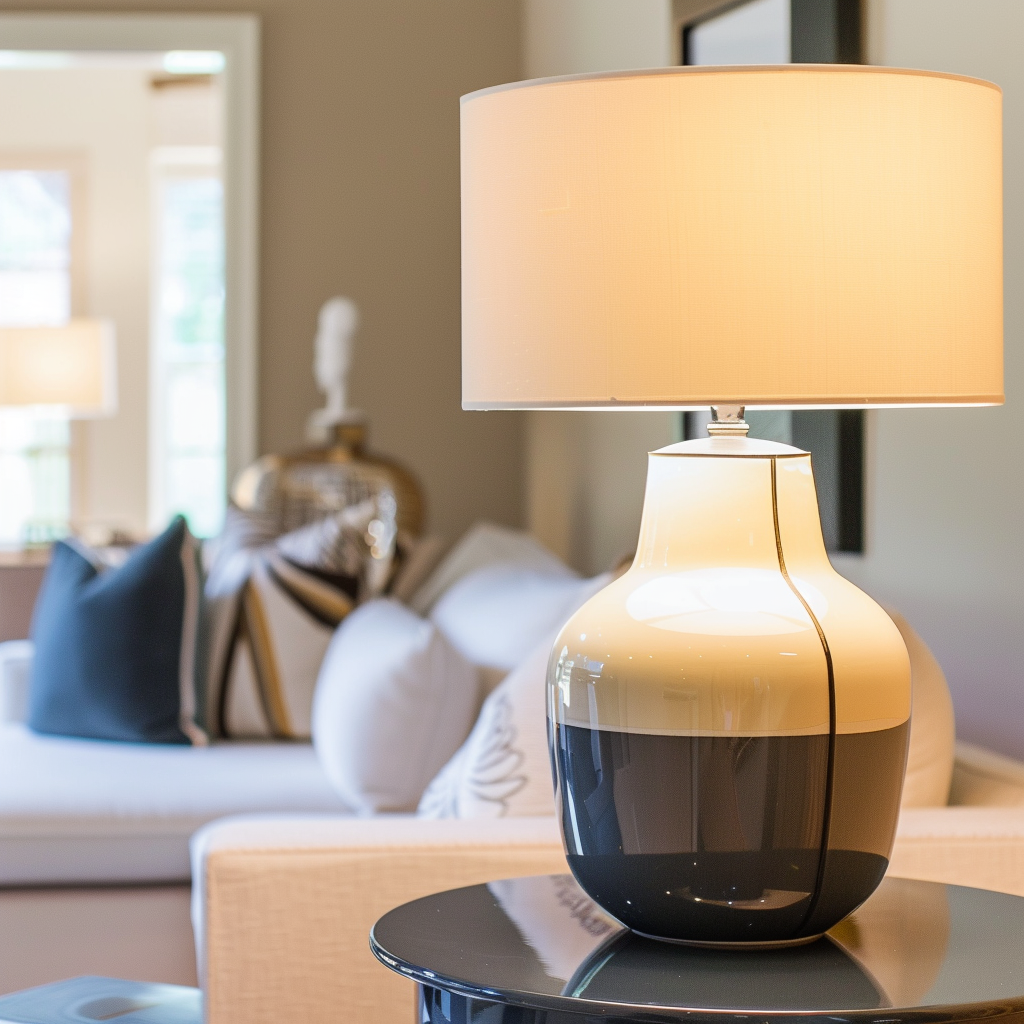
The chandelier is not doing the work. The light that stops you at the threshold, that makes a room feel warm before you have identified a single piece of furniture — that comes from somewhere far less obvious. Great lighting is invisible. That is the point.
Why Overhead-Only Fails
A ceiling full of recessed cans on a single switch is functional the way a parking garage is functional. It covers the room. It does nothing else. Light falling straight down flattens texture, ages faces, and erases the depth of every material you spent weeks selecting.
The result is a room that photographs adequately and feels subtly wrong in person. Something is off — no one can name it. The answer is almost always the lighting.
The Four Layers
Ambient — The base layer. Overall diffused illumination that sets the room’s ceiling for mood.
Task— Directed light placed at the point of use: the counter, the desk, the reading chair.
Accent — The layer that makes a room feel curated. Picture lights, grazing spots, cove strips that reveal texture.
Decorative— The fixture as object. It contributes presence and atmosphere even when switched off.
“The difference between a room that looks designed and one that feels designed is almost always the lighting. Not the furniture, not the finishes — the light.”
5 Lighting Decisions That Change a Room
01 Dimmers on every circuit
Non-negotiable. A circuit without a dimmer gives you one mood — full brightness — for the life of the house. Dimmers cost almost nothing. The absence of one costs you everything.
02 Specify color temperature on every fixture
2700K is warm. 3000K is warm-neutral and the most flattering for living spaces. Above 3500K feels clinical. Mixing Kelvin ratings within a room creates an incoherence most people sense but cannot name.
03 Wash the walls, not just the floor
Sconces, picture lights, grazing spots — horizontal light expands a room visually and adds warmth to its edges. A room lit from its perimeter feels larger and more alive than one lit only from above.
04 Layer your sources
Three lamps at low levels will always outperform one overhead at full power. Layered sources create depth, shadow, and the quiet drama that makes a room feel designed rather than simply furnished.
05 Separate your zones
Program distinct scenes: working, reading, entertaining, winding down. The room does not change. Only the light does. This is among the least glamorous specifications in a project and among the most transformative to live with.
“A dimmer costs almost nothing. The absence of one costs you the entire mood of the room for the life of the house.”
Ambient
General diffused illumination. Sets the base brightness and the upper limit for mood control.
Example — Recessed downlights on dimmer, flush plaster ceiling fixtureAccent
Draws the eye deliberately. Reveals texture, honors art, and makes architecture feel intentional.
Example — Picture light, directional spot, LED tape in cove or recessTask
Directed light at the point of use. Positioned for the activity, not the geometry of the room.
Example — Articulated wall sconce, under-cabinet LED strip, pharmacy floor lampDecorative
The fixture as sculpture. Earns its place through form and presence, not output. .
Example — Sculptural pendant, handblown glass table lamp, candlestick clusterThe highest compliment a lighting plan can receive is that no one mentions the lighting. It has dissolved into the experience of the room — creating mood without announcing itself, making people look their best without trying. If your space deserves that kind of consideration, we would be glad to talk.
By LNI Studios Design Team
LNI Studios is a boutique luxury residential interior design firm serving New Jersey and New York. We work with discerning clients who value refined taste, meticulous execution, and the quiet confidence of a space that is unmistakably theirs.