
The Renovation Mistake That Costs the Most (It’s Not What You Think)
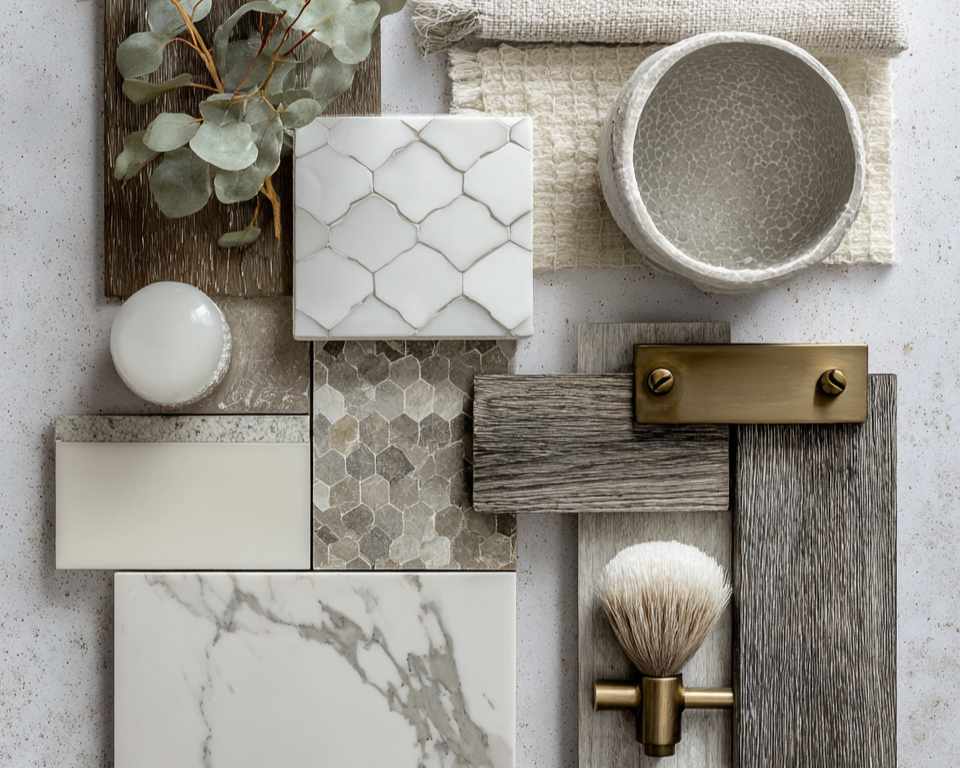
Most homeowners assume the most expensive renovation mistake is overspending on materials. It is not. The mistake that costs the most — in money, in time, in rooms that never quite come together — is sequencing. Specifically, the absence of it.
What Sequencing Errors Actually Cost
A sequencing error is any decision made before the conditions that should inform it exist. It is not a failure of taste. It is a failure of timing. And we have seen it too many times.
The most common version: a client orders a custom sofa while construction is still underway. Twelve weeks later, it arrives. Meanwhile, the room layout shifted — a built-in was added, a doorway widened. The sofa is three inches too long for the revised wall run. A $9,000 piece, now functionally wrong, becomes the thing the room compensates around for years.
“It is not a failure of taste. It is a failure of timing. We have seen it too many times.”
Three Mistakes We See Every Time
A sequencing error is any decision made before the conditions that should inform it exist. It is not a failure of taste. It is a failure of timing. And we have seen it too many times.
The most common version: a client orders a custom sofa while construction is still underway. Twelve weeks later, it arrives. Meanwhile, the room layout shifted — a built-in was added, a doorway widened. The sofa is three inches too long for the revised wall run. A $9,000 piece, now functionally wrong, becomes the thing the room compensates around for years
Mistake No. 1
Furniture Before Construction Ends
Ordering before the layout is finalized is a gamble with 12-week lead times. Room dimensions shift. Traffic flows change. The piece that was perfect is now simply expensive.
Mistake No. 2
Tile Before Lighting Is Decided
A warm travertine chosen under showroom lighting reads entirely different under cool, directional sconces. Tile and light must be specified together — or the tile will lose every time.
Mistake No. 3
Art Before Final Wall Color
Buying the art first and painting around it forces the room into a single dominant note. The result is a space that feels curated for one piece rather than for the people living in it.
The Right Order of Operations
There is a sequencing framework that every experienced designer works from, consciously or not. It is not arbitrary. Each step creates the conditions that make the next decision possible. Skip a step, and you are not just making a decision early — you are making it blind.
Architecture & Layout: Confirm the bones first. Nothing is purchased until walls, openings, and structure are resolved.
Fixed Finishes: Flooring, tile, cabinetry. These anchor the palette. Everything else layers on top of them.
Lighting: Specify fixtures and color temperature before selecting paint or furniture. Light changes everything.
Furniture: Now dimensions are confirmed, layout is fixed, and lead times can be managed without risk.
Soft Goods: Rugs, drapery, and textiles go in once furniture placement is final. Scale against reality, not a floor plan.
Art & Accessories: The finishing layer. Art placed into a complete room elevates it. Art placed into an unfinished one fights with it.
“A designer’s value is not just taste. It is knowing what decision comes next — and holding the line until conditions are right.”
Reference Guide
Sequencing Cheat Sheet
01 Architecture & Layout — Confirm all structural decisions before anything is purchased.
02 Fixed Finishes — Flooring, tile, cabinetry. These set the palette for everything that follows.
03 Lighting — Specify before paint or furniture. Color temperature changes how every material reads.
04 Furniture — Order only once layout and lighting are locked. Never speculate on a room still in motion.
05 Soft Goods — Rugs, drapery, textiles. Scale and proportion assessed against the actual room.
06 Art & Accessories — Place into a finished room. The best pieces finish a space; they do not define it prematurely.
A designer is not just about taste. It is about sequence — knowing which decision comes next and protecting you from making it too soon. If you are mid-renovation and something already feels off, we should talk.